Advanced Fertility Procedures
Advanced Fertility Procedures
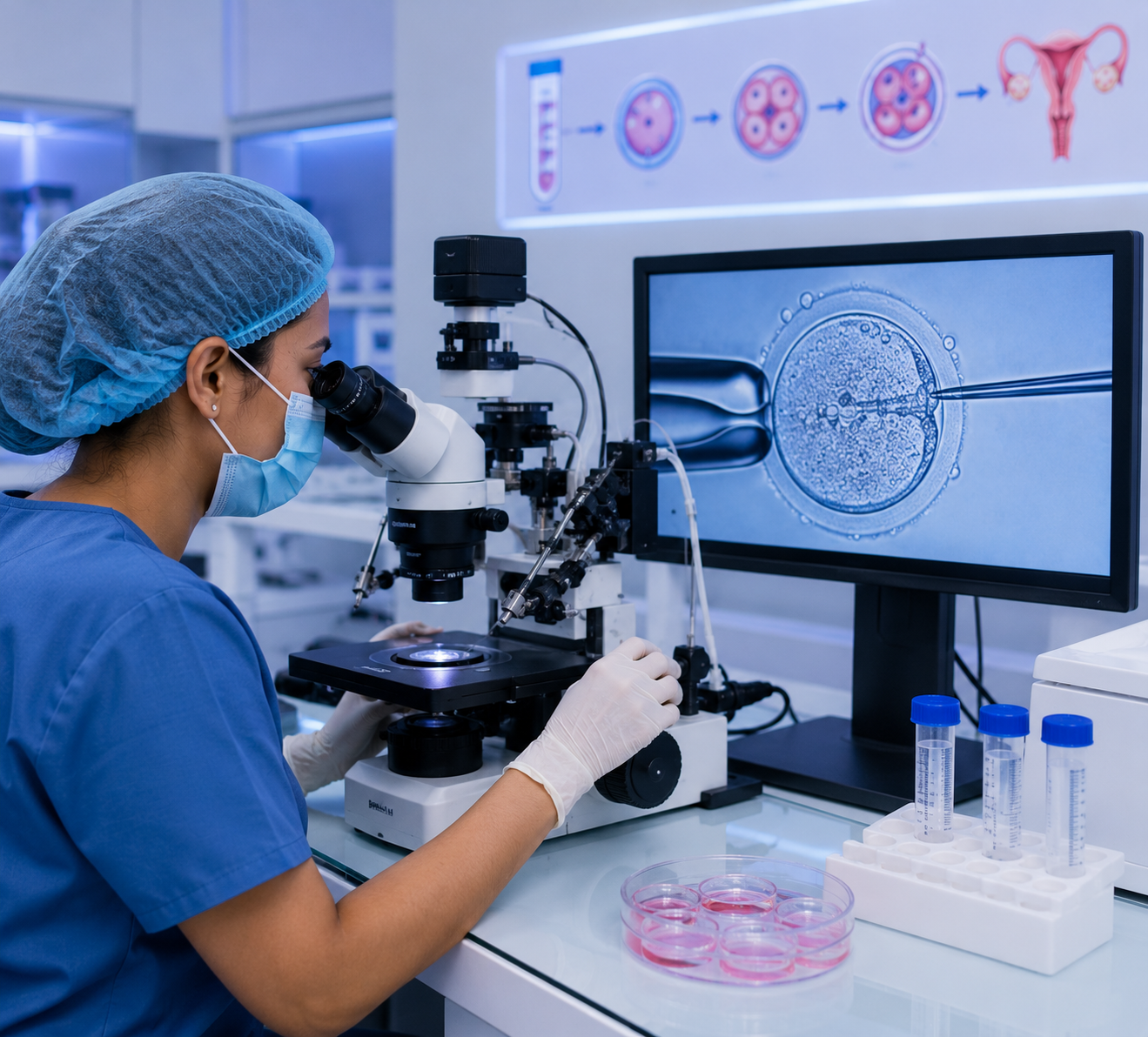
Our advanced fertility procedures encompass a comprehensive range of specialized diagnostic and therapeutic interventions designed to address complex fertility challenges. These include diagnostic hysteroscopy, laparoscopy, cryopreservation (egg, sperm, and embryo freezing), fertility preservation, and advanced surgical techniques. These state-of-the-art procedures provide additional options for couples facing complicated fertility issues and help maximize the chances of successful conception.
At our fertility center, we offer advanced diagnostic procedures including hysteroscopy for evaluation of the uterine cavity, laparoscopy for diagnosis and treatment of pelvic conditions such as endometriosis, and hysterosalpingography (HSG) for assessment of tubal patency. Our experienced reproductive surgeons perform these minimally invasive procedures with precision, providing accurate diagnosis and effective treatment of conditions that may be affecting your fertility.
Advanced Fertility Procedures
- Diagnostic Hysteroscopy
- Operative Laparoscopy
- Hysterosalpingography (HSG)
- Egg Freezing (Oocyte Cryopreservation)
- Sperm Banking
- Embryo Cryopreservation
- Fertility Preservation
- Endometriosis Surgery
- Myomectomy
- Tubal Reversal Surgery
- Fibroid Removal
- Reproductive Surgery
What to Expect
Frequently Asked Questions About Advanced Fertility Procedures
Find answers to the most commonly asked questions about advanced fertility procedures, fertility preservation, diagnostic surgery, and cryopreservation options.
Fertility preservation involves freezing eggs, sperm, or embryos for future use. It is recommended for individuals undergoing cancer treatment that may affect fertility, those with medical conditions that may impact reproductive health, individuals planning to delay childbearing, and those at risk of premature ovarian failure. Our advanced cryopreservation technologies provide options for preserving your fertility for the future.
Hysteroscopy is a procedure that allows visualization of the inside of the uterus using a thin, lighted telescope inserted through the cervix. It is used to diagnose and treat uterine conditions such as fibroids, polyps, and adhesions. Laparoscopy involves inserting a camera through small incisions in the abdomen to visualize the pelvic organs and diagnose conditions like endometriosis, ovarian cysts, and tubal blockages. Both procedures are minimally invasive and performed under anesthesia.
Egg freezing success depends on the age at which eggs are frozen and the number of eggs stored. Eggs frozen before age 35 have the highest success rates, with live birth rates of 5-10% per vitrified egg. The success rate increases significantly with the number of eggs frozen. Our advanced vitrification techniques achieve high survival rates (90-95%) for frozen eggs, providing excellent options for future fertility.
Recovery time for minimally invasive reproductive surgery varies depending on the procedure. For diagnostic hysteroscopy, recovery is usually quick with minimal discomfort. For laparoscopic procedures, most patients can resume normal activities within 1-2 weeks, though complete recovery may take 4-6 weeks. Your fertility surgeon will provide specific post-operative instructions and a personalized recovery timeline based on your procedure and individual circumstances.